Bolton And The Bow
In medieval England, regular practice with the longbow was not just encouraged; at times it was for required for all men and boys by law. Across towns and villages, ordinary people gathered every Sunday to build the strength, discipline and accuracy that made the English longbow famous and fearsome.
The people from Bolton and the surrounding moorland practised the bow on shooting grounds long since lost to memory. Local tradition has also linked Boltonian archers with Agincourt and other engagements during the Hundred Years War.
Bolton’s connection with the Battles of Bosworth (1485) and Flodden (1513) Fields is well established. The Stanleys, Earls of Derby, led Lancashire forces that included billmen archers from Bolton and the surrounding area in two of the last great battles of medieval Britain.
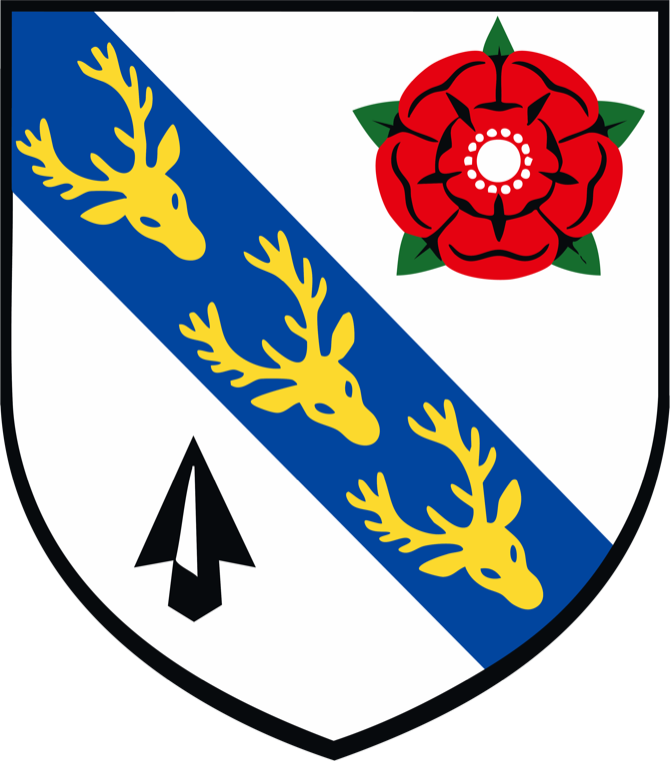
An excerpt from The Ballad of Flodden is inscribed on Bolton’s Marketgate Cross and an arrow incorporated in the Bolton County Borough civic arms to commemorate the archers who fought at Bosworth and Flodden.
The English warbow was traditionally made from yew, prized for the way its wood could combine power and resilience in a single stave. Bolton's own story includes ancient yew trees that once stood on the south side of the old Parish Church, celebrated for supplying staves for bows used by Bolton's 'Lusty Lads'.
This tradition gives the modern club a strong sense of place. The longbow connects strength, skill, local memory and the landscape around Bolton in a way few sporting traditions can.